
My grandma was a bona fide hoarder. Back when I was a kid, I was afraid to bring my friends to her house. There was stuff stacked floor to ceiling with just a deer trail leading between the rooms.

I love deer hunting. I love the preparation. I love the hunt. I love the camp. But, why let it end there? If you drop your deer off at the processor, then your hunt is truly over. In a future issue I will write an article on cutting up your deer, but for now, suffice it to say making your own sausage will extend your hunting experience. Not only that, you will save money and enjoy good eating for the rest of the year!
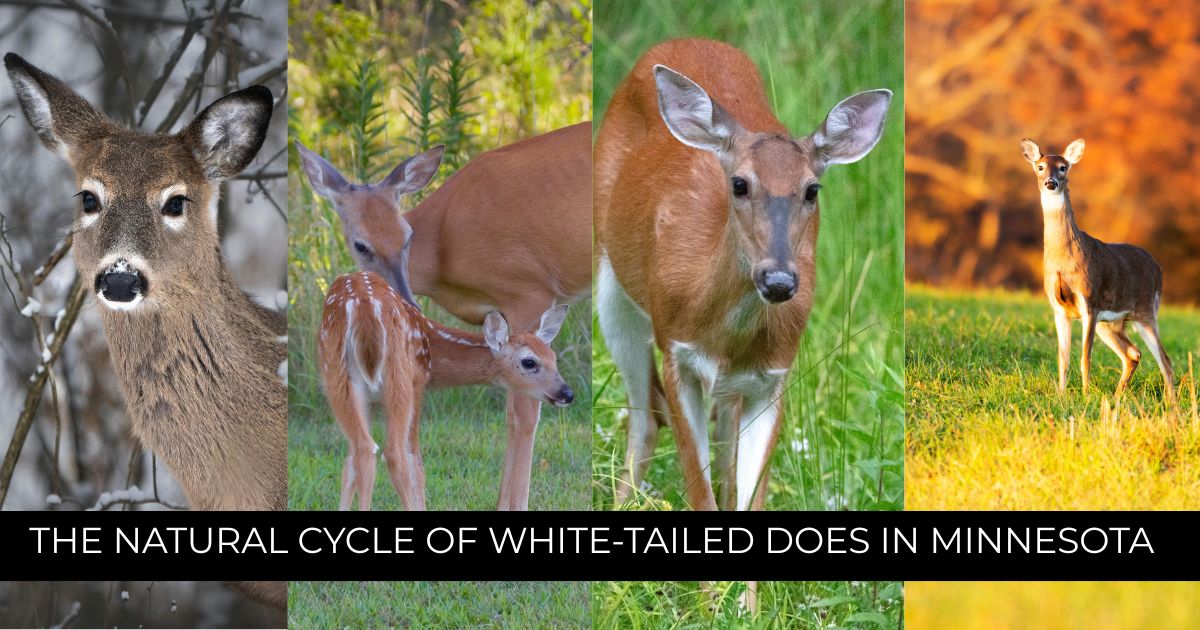
When winter settles in across Minnesota, sometimes early, sometimes late, other times in the middle, temperatures will vary from moderate to bitter lows throughout much of the state. For sure, the days will become shorter until the winter solstice on December 21 or 22, and more often than not, our lands and lakes will lay quiet under a blanket of snow of varying depths. In these often brutal conditions, survival is a constant challenge for white-tailed deer. Yet, they have proven to be remarkably tough.

The Minnesota Deer Hunters Association is excited to begin announcing dates for our 2026 Forkhorn Camps! Each year, these camps provide youth across Minnesota with hands-on outdoor education, firearm and archery safety training, conservation lessons, and unforgettable outdoor experiences.
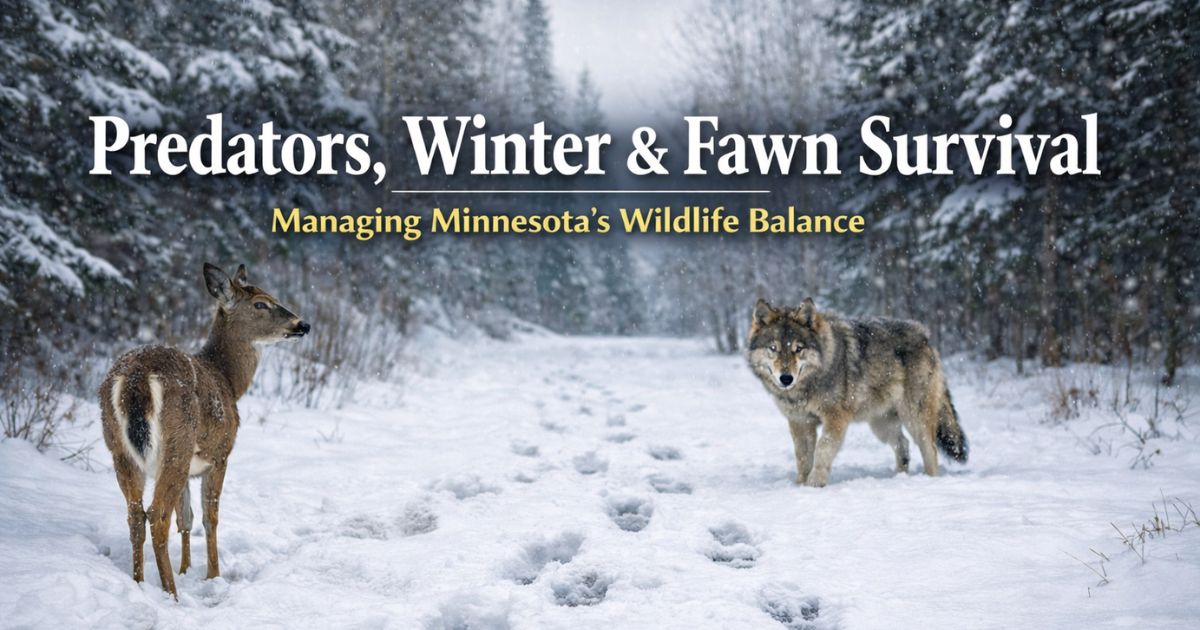
Late winter is the hardest stretch of the year for Minnesota whitetails. By February and March, deer are living off stored fat. Browse is limited. Deep snow makes every step harder.
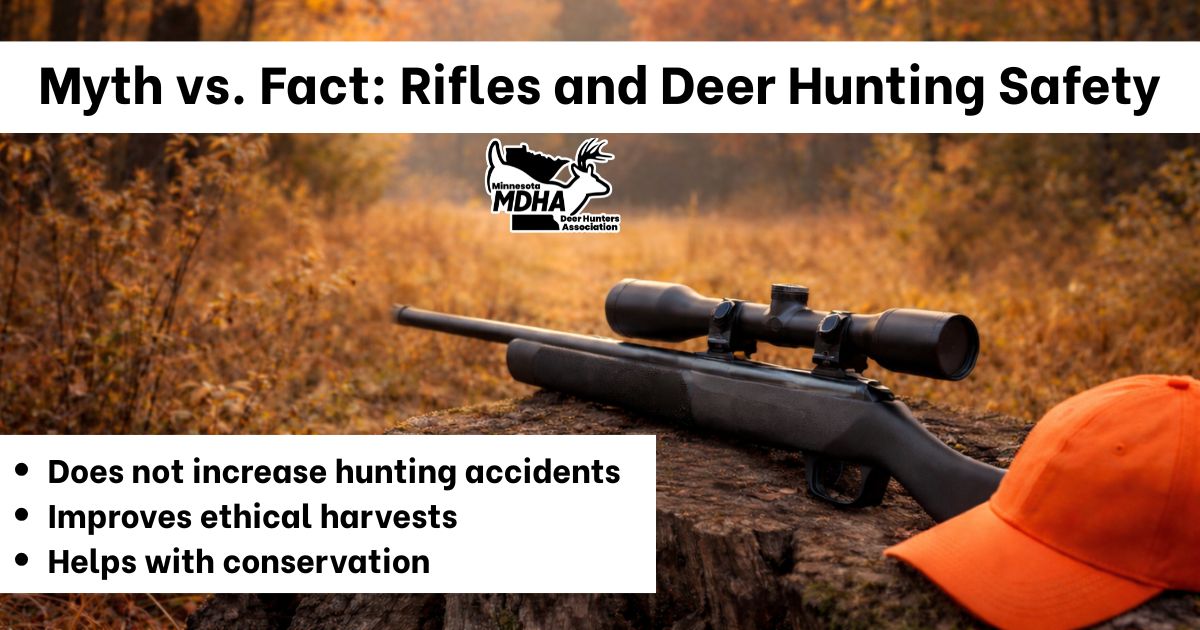
When it comes to allowing rifles statewide for deer hunting in Minnesota, the conversation usually comes down to a few familiar claims. You’ve probably heard them at deer camp, local meetings, or online.
Let’s set the noise aside and look at what real data and real hunting experience show.

The 2025 Minnesota Wolf Conflict Management Report shows that wolf-related conflicts continue to affect rural communities across northern and central Minnesota.

MDHA and the Minnesota DNR: Different Roles, Shared Outcomes
If you’re a Minnesota deer hunter, you’ve likely heard of both the Minnesota Deer Hunters Association (MDHA) and the Minnesota Department of Natural Resources (DNR). While they often work together, they serve very different purposes — and understanding that difference matters.

The Minnesota DNR released the final harvest numbers from the 2025 deer season, and for a lot of hunters across the state, the results probably line up with what you saw last fall — it was a good year in many places, but not everywhere.

Founded in 1980 by a small but passionate group of deer hunters in Grand Rapids, Minnesota, the Minnesota Deer Hunters Association was built on a simple idea: hunters should have a voice in the future of Minnesota’s deer herd, habitat, and hunting traditions.
More than four decades later, that idea is still at the heart of everything we do.

Gray wolves have long been biologically recovered, yet their management remains tied up in federal red tape and courtroom battles. The result is a system that ignores science, undermines conservation, and prevents states from responsibly managing a species that has clearly met—and exceeded—recovery goals.

Minnesota is home to many conservation organizations doing good work. But when it comes to supporting deer, habitat, hunting traditions, and the future of hunting in our state, one organization stands apart as truly Minnesota-first. The Minnesota Deer Hunters Association was created by Minnesota deer hunters to protect Minnesota’s deer herd, habitat, and hunting heritage. When you join MDHA, your support stays local and goes directly toward work that matters here at home.

Minnesota Deer Hunters Association
460 Peterson Rd
Grand Rapids, Minnesota 55744