
Yes, scent control still matters in an elevated box blind, but not for the reasons the catalogs say, and not in the way most of us practice it.
Walk any Minnesota field edge in November and you will see them: plywood and fiberglass boxes on steel legs, eight to fifteen feet up, with sliding windows and a propane heater at our feet. A good box blind keeps us warm, hides our movement, cuts the wind, and lets a dad sit next to a 12-year-old who fidgets. It also feels sealed. Shut the door, close the windows, and it is easy to believe your scent is locked inside with you.

Every November, thousands of Minnesota families quietly stock their freezers with one of the healthiest red meats you can put on a dinner table. They don't buy it in a shrink-wrapped tray. They earn it in a tree stand, a ground blind or a frosty fence line on opening morning.

Five women veterans, dedicated mentors, and a community that raised more than $23,000 highlight another successful Women's Veterans Archery Hunt in Grand Rapids.

Congratulations to all the young hunters who headed into the woods for Minnesota's 2026 Youth Deer Hunting Season! Whether you harvested your first deer, added another hunting memory, or simply enjoyed time outdoors with family and friends, MDHA is proud of you!

Thanks to generous Chapter sponsors, community supporters, dedicated volunteers, and an incredible donation of six Mossberg Patriot rifles, preparations are well underway for this fall's MDHA & Roger Up Veteran Hunts.

Every fall, whitetail bucks go through one of the most dramatic changes in the deer woods—shedding the velvet from their antlers. It can be a bloody-looking process, but just how much blood does a buck actually lose? And does shedding velvet make him more vulnerable to predators?

President Trump's September 4 executive order has once again put federal gray wolf delisting—and the possibility of regulated wolf hunting and trapping in Minnesota—squarely into the conversation. But federal delisting would only be the first step. If and when management authority returns to Minnesota, the next decision will happen here at home, and MDHA intends to be there advocating for Minnesota's hunters.

For many Minnesota deer hunters, one of the biggest challenges isn't finding deer — it's finding a place to hunt them.
That challenge is especially noticeable in parts of western, central and southern Minnesota, where much of the landscape is privately owned. These areas can provide excellent deer habitat, but hunters without family land or an existing relationship with a landowner can have a difficult time finding access.

For years, Minnesota’s Conservation Partners Legacy Grant Program has been one of the most effective ways for local conservation organizations to turn good ideas, volunteer effort and local partnerships into real habitat improvements on the ground.
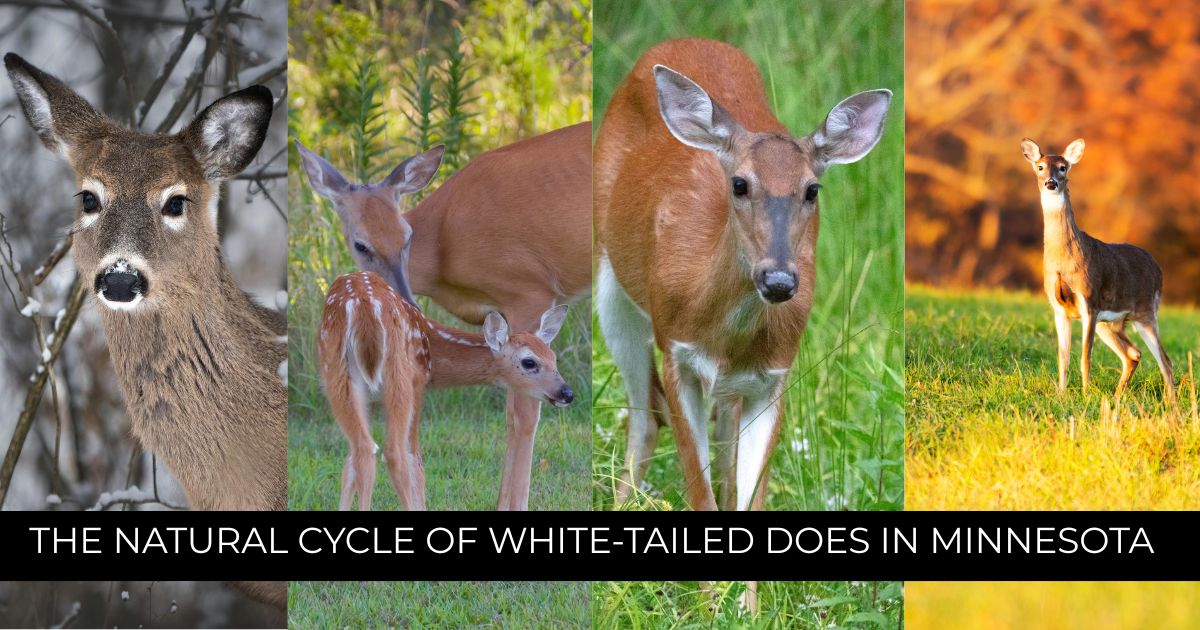
We have been following our doe, born last spring in Minnesota’s prime deer habitat, the transition zone, where she grew rapidly through the summer and fall. She experienced her first estrus cycle in early winter and attracted an adult buck. When we left her, she rejoined her maternal family group to shelter in place for the winter after being bred. She entered winter in good condition with ample fat reserves and due to the fairly mild snowpack and temperatures, she is still doing well and is now nearing time to give birth.

If your trail cameras have been busy this summer, you're not alone. Across Minnesota, hunters are starting to see mature bucks on their feet in bachelor groups, giving us an early glimpse of what the 2026 deer season could have in store.

In a boost for local youth outdoor education, Cuyuna Range Whitetails, established in 2001, recently partnered with the CRES Firearm Safety program to enhance accessibility for student trapshooters and hunters going through the Firearm Safety program.

Minnesota Deer Hunters Association
460 Peterson Rd
Grand Rapids, Minnesota 55744